LEVEL UP
Soft skills are often overlooked in hairdressing, yet they’re just as vital as technical ability for building a lasting career. We spoke to the experts to find out why they deserve more attention
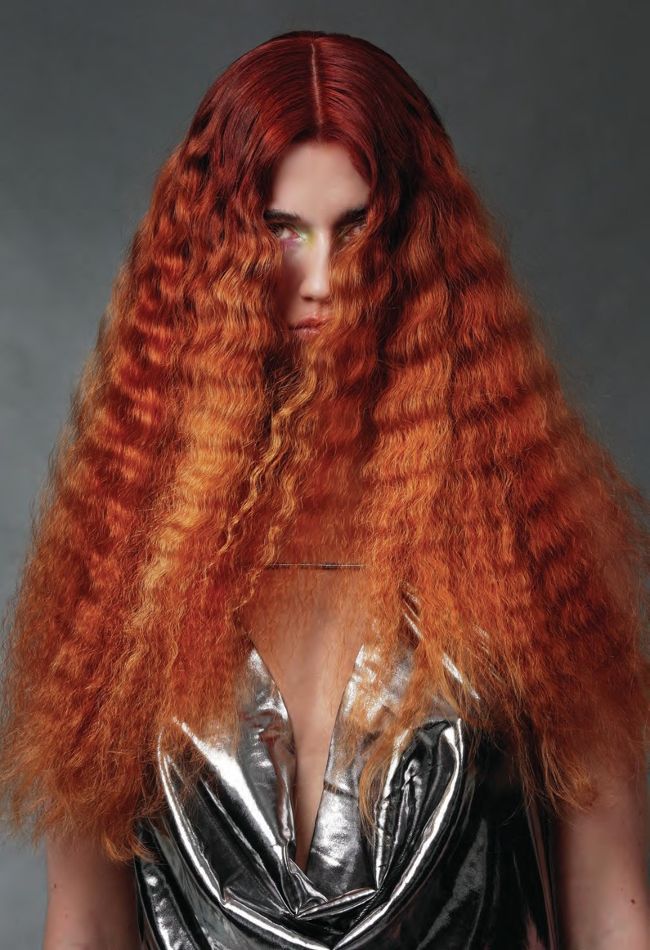
LLOYD COURT
While communication and empathy are skills that are viewed as a given for most hairdressers, these soft skills don’t always come naturally to everyone. Leading stylists with decades of experience will tell you, being able to build lasting relationships with each person in your chair is just as important as your ability to give them the perfect cut and colour. So what happens when those soft skills don’t come naturally to you, or your team?
Essential for Potential
We all know that hairdressing is a people-focused industry where you are required to work with, and manage, different personalities and emotions. The key to navigating this is a strong set of soft skills, explains Phill Gallagher, Owner and Creative Director of Dot Hair. “Whether it’s building trust, breaking down barriers, or simply making someone feel comfortable in the chair.” Similarly, Warren Edwards, Creative Director and Co-Owner of Warren & The Hare, tells us: “Technical ability gets a client into the chair once, but soft skills like empathy, active listening, and boundary setting keep them coming back, and more importantly, keep us as stylists from burning out.”
Soft skills are what keep you in the game long term says Stephen Hopper, Remi Cachet Specialist, SH Hair Northumberland: “I find my clients come to me initially for my skill, but also because I can empathise and understand the issues they may be facing with their hair. I try to communicate this through my social media content.” But it’s not only about maintaining a good environment for clients to ensure business thrives, it’s also about maintaining good relationships within the salon team. “Haircuts bring people in, but how you make them feel is what keeps them coming back,” says Jake Cox at No Bad Days. “In our shop, it’s not just client-facing, it’s how we speak to each other as a team. If you can communicate well, manage your energy, and build proper relationships, the job becomes more sustainable.”
Training 101
So what happens when technically your team is excelling, but they’re struggling with their key soft skills? “Without strong interpersonal skills and awareness, the job becomes unpredictable. Soft skills remove that uncertainty,” says Billy Ryan, Tribe Salons. “A lot of our focus is on consultation, trust building, and handling real situations from the salon floor. We practise this during team meetings, one-on-ones and training sessions. The aim is to help people communicate clearly so problems are prevented or dealt with early, rather than becoming stressful later.” And language plays a huge role in this. “As an industry, we’ve had to evolve – especially when it comes to sensitive or personal changes clients may be experiencing with their hair,” says Jerome Wilson, GLOWWA Global Education Manager. “The way we communicate matters. Instead of using harsh or alarming terms, it’s about being thoughtful and considered in how we explain things to them.”
Likewise, Adrian Foxworthy, Salon Director at Rainbow Room International makes soft skills a key part of training and ongoing mentorship. “This includes practical workshops on client consultations, active listening, handling challenging conversations, and managing time effectively,” he tells us. “We also focus on peer-to-peer coaching and roleplay scenarios which give stylists a safe place to practise and develop confidence.”
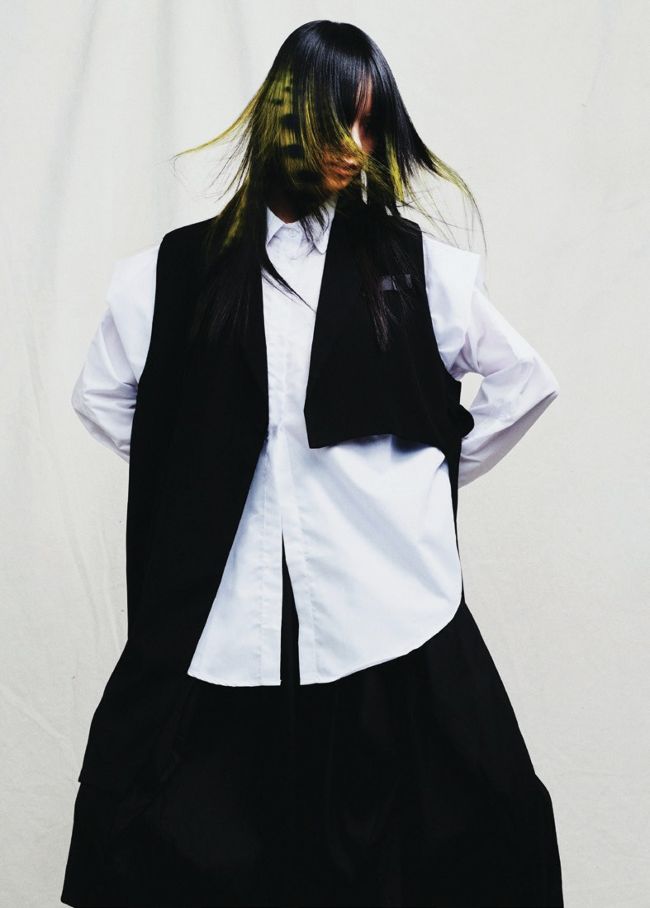
RAINBOW ROOM INTERNATIONAL ARTISTIC TEAM
Meanwhile, Marlene Lamont, Stylist and Owner of Urban Hair & Beauty, focuses on real-world learning rather than just theory. “I spend time with each stylist, giving feedback on how they interact with clients, handle tricky situations, and manage their day-to-day in the salon,” she says. “We also share experiences as a team which helps everyone see different perspectives.” Similarly, Alex Thaddeus, Stylist and Owner of Alex Thaddeus Hairdressing, focuses on creating a culture where listening, problem solving and collaboration are part of daily life because as she explains, without them, even the most skilled stylists can struggle to maintain a sustainable career. “Team meetings, mentorship and hands-on guidance are all opportunities to develop these skills.”
And for Brian ‘Leo’ McCallum, Creative Director at ROAR Hair & Beauty, embedding soft skills into every stage of stylists’ journey is essential. “From the moment a stylist joins us, they’re introduced to our CARE philosophy – Colour, Advice, Relaxation, and Excellence – which includes training in emotional consultation, active listening and client connection,” he shares. “We also run one-to-one sessions, mentorship programmes, and workshops on topics like resilience, confidence and managing difficult conversations.”
Handle with Care
Having great soft skills is not only about delivering a great client experience – it’s also about protecting mental health. “Hairdressers naturally spend a lot of time being empathetic and we don’t ever estimate how much of a taxing role this can be on the team and yourself to take on other people’s problems all the time,” says Lloyd Court, Creative Director at seanhanna Salons, Wimbledon. “If the world feels heavy, a lot of the conversations we’re having in the salon are also heavy which can lead to emotional pressure and fatigue around talking and it can be hard to switch off at the end of the day.”
It can also take a huge toll on the team dynamic. “It creates friction. If people can’t communicate properly or don’t respect each other, it makes the whole shop feel off,” says Jake. For Phill, reframing things positively helps manage stress or emotional fatigue. “You may have had a full-on day with back-to-back appointments, but that also means you’ve had a full day of clients leaving happy with their hair,” he suggests. “Focusing on that can really help shift mindsets.” Similarly, Brian likes to focus on reflection. “As a team, we lean on each other, celebrating wins, laughing through tough bits, and remembering why we love what we do,” he says.
Being able to create a welcoming space for your clients and your team is just as important to your business as technical skill, but maintaining good mental health is also an important part of that. As Heffy Wheeler, Educator and Owner of HX Hair, shares: “Looking after each other goes beyond checking in; it’s about evolving how we work so that everyone, regardless of their mental health or neurodivergence, feels supported, understand, and able to thrive.”
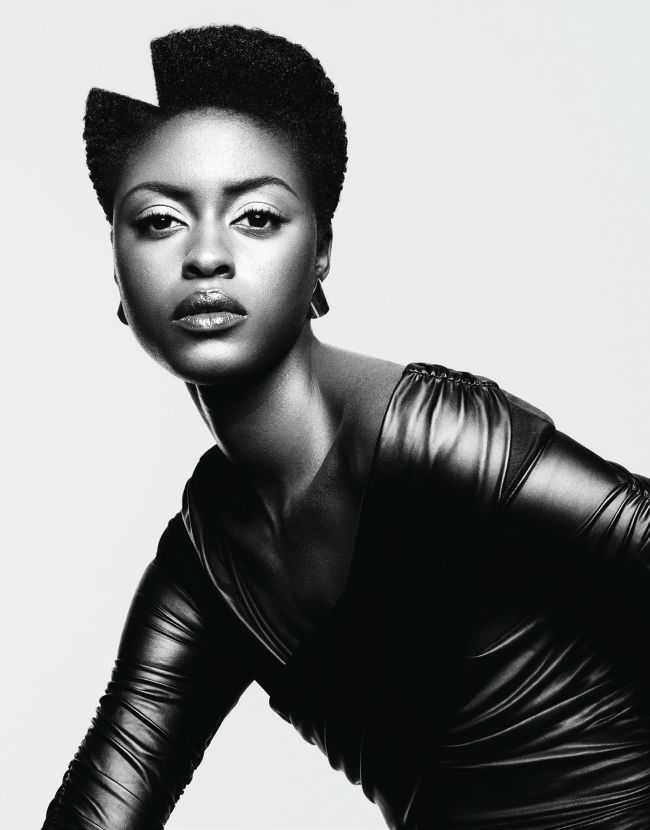
ELLE FOREMAN, TRIBE SALONS