HOW TO AVOID BURNOUT
DON’T FEEL THE BURN
We spoke to hairdressers, salon owners and mental well-being specialists for their insight and advice on avoiding burnout
When you operate in an industry you feel passionate about, it’s all too easy to let work take over your life and neglect your physical and mental health. The result of this can be burnout. Before we get into ways of spotting and avoiding it, what exactly is burnout? This is how Maria Evangelou, a holistic business and well-being coach for hair professionals, explains it: “Burnout happens when the demands being placed on you consistently outweigh the resources you have to meet them. In simple terms, you don't have enough time, energy or headspace to keep giving at the level you’re expected to.”
So, what are the warning signs that you could be heading for a burnout situation?

MARIA EVANGELOU
“The warning signs often show up physically first,” says Maria. “You're exhausted even after a day off; your sleep isn't restorative; you're picking up every cold that’s going around, getting headaches more often, and even the simplest tasks seem to require more effort than they used to. You lose patience more quickly and become irritable over little things. Socialising starts to feel like another thing on the to-do list instead of something you enjoy.”
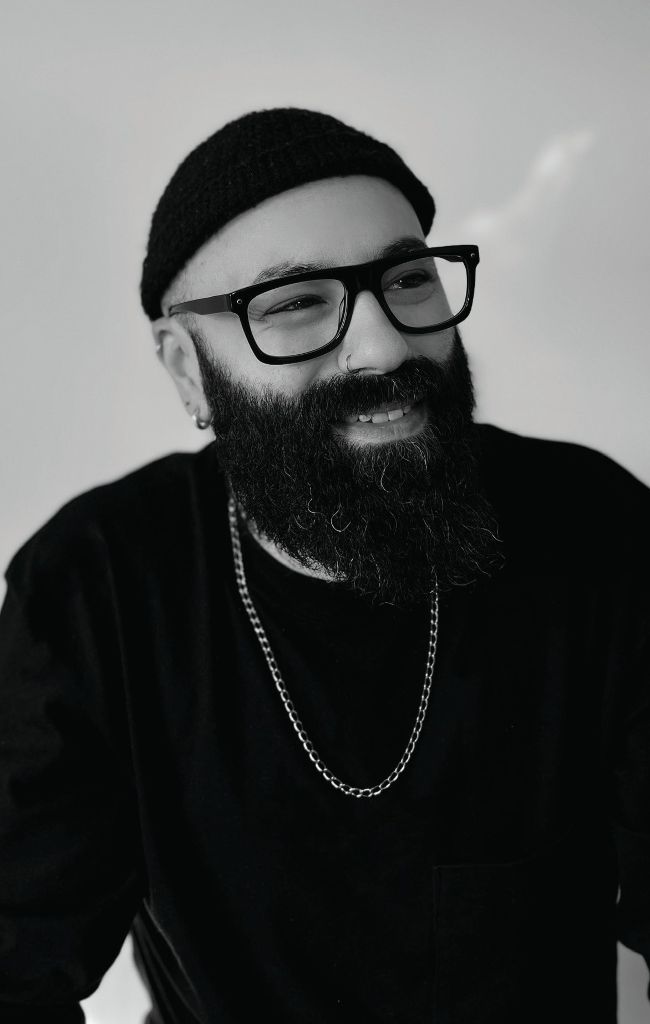
HARRY ANDREOU
For Harry Andreou, Owner of Studio U, Winchester, the early warning sign of potential burnout is when he stops living in the moment. “If I find myself rushing conversations, thinking about the next client instead of the one in front of me, or feeling like I’m constantly chasing the clock, I know I need to slow down,” says Harry. “I’ve also learnt that creativity is a really good indicator. If I’m feeling uninspired or everything starts to feel like a task rather than something I genuinely enjoy, that’s when I’ve been giving too much of myself without taking the time to recharge.”

HAYLEY JEPSON
Well-being For Everyone
Hayley Jepson is the founder of The Resilient Hairdresser and works with salons, leaders and brands to improve knowledge and skills around mental health, leadership and burnout. Hayley has seen definite signs of improvement when it comes to talking about and acknowledging burnout, which she believes is a great start.
“Since I launched The Resilient Hairdresser eight years ago, I’ve seen a massive change in our industry. We have definitely got better at talking about burnout and mental health issues. I think where the improvement lies is in putting more of this talk into action, but I always say admitting there is a problem is the first step to change, so we are definitely doing better than when I started this work!”
Hayley believes one answer to turning talk into action is for apprentice training to include more resilience and well-being training. “Teach hairdressers early about boundaries and common traps we fall into, instead of finding out the hard way,” she says.
“I think brands could also focus more on supporting salon owners with their well-being and not just the hairdresser behind the chair. Salon owners are often behind the chair, running a business and trying to lead people, which is a different skill set. I think they need more help with trying to do it all, and finding balance.”
According to Tribe Salons Owner Elle Foreman, creating boundaries and building a supportive culture are essential if you want to avoid burnout.
“Being a salon owner comes with a lot of responsibility, and there is always something else you could be thinking about,” says Elle. “But we now have better systems for managing day-to-day issues, and I try not to respond to non-urgent messages during evenings or on Sundays.”
Learning to delegate has been another important lesson. “When I first started, I tried to do everything myself and became a bottleneck for the business. That was frustrating for both the team and me.”
Today, responsibility is shared across trusted managers and team leaders, giving them clear ownership while reducing the pressure on Elle herself.

ELLE FOREMAN
Learn To Say No
Supporting the team’s well-being is just as important. Rather than waiting until someone reaches breaking point, Tribe Salons encourages regular conversations through meetings, check-ins and one-to-ones, creating opportunities for people to speak openly about any challenges they’re facing. “People need to feel heard without being judged or made to feel that they are causing a problem,” says Elle.

DEAN LAWTON-TAYLOR
Dean Lawton-Taylor at Johnson Blythe, Harpenden, wishes he’d learnt earlier in his career that it’s okay to say ‘no’. “There are times when you have to say no, when you are working like crazy and not taking enough time for your own physical and mental health. Don’t feel pressured or obligated to say yes to everything. Prioritise yourself first, then prioritise anything else that you might want to do. Always ask yourself, is it worth it? Do you have to say yes right now or can it be done at a later date?”
For Dean, one of the most important allies when it comes to avoiding burnout is forward planning. “Always plan ahead; work out exactly how much time you’ll need to be able to do everything you want to do but without limiting your own time,” he advises.
“Taking breaks during the working day is really important to make sure that you have time and space to reset,” adds Lloyd Court, Owner of the seanhanna salon in Wimbledon. “A break looks different to every person. For me, having time away from the clients is what I would call a break, but I quite like doing manual tasks to keep my brain occupied, so I will fold towels or do dishes, for example.”
One thing Lloyd has learnt not to do is try and squeeze in too many appointments. “I’ve enlisted my salon manager to stop me from saying yes to everything,” he says.
Lloyd has also trained himself to think about work less when he is not in the salon. “I know I have an amazing team that can look after it when I’m not there. I actually enjoy my work, and because of that I have a tendency to overexert myself. Sometimes just stopping and taking stock of what’s actually necessary for me to be worried about is very important for my work/ life balance.”

LLOYD COURT